data standards
ideal normalization standards & progress indication


at a glance
OG & Normalized Names
Each individual in the network is going to have both spellings used in primary sources and an Americanized normalization to make searching easier.
Kodex-linked
As entries within the file are normalized, they will be cross-linked with the Kodex so that you can get more contextualized info and sources.
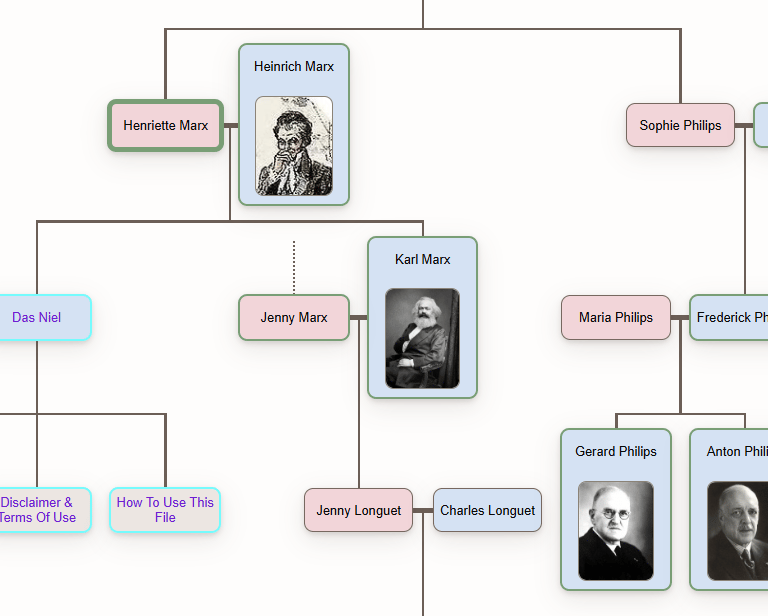
Nodes within the network with be color coded to indicate confidence in identity & placement. Uncolored borders mean it hasn't been validated & normalized.
Color-Coded Confidence
Name Normalization
The individuals in the Endogame Network span several cultures over a thousand years, leading to wide variation in the spellings of the same Hebrew names. Given names for each entry will be under the spelling of whatever documents exist as sources, with an Americanized field containing the standardized version. For example; Salman, Zalmon, Shlomo, and Salomon are all given the Americanized tag of "Solomon". A name conversion table is provided both in the FamilyEcho export and the Kodex.
given names: recorded & Americanized
surnames: recorded & DYNASTIES
Well known dynasties like the Cohens and the Oppenheimers are paralleled by unrelated families who independently decided to adopt the same surnames. The surnames of confirmed dynasty members will be capitalized to differentiate from unconfirmed name-sharers. Surnames will be spelt according to primary sources unless a confirmed member of a dynasty. For example a person with the surname "Oppenheim" but confirmed to be part of the primary dynasty will have the surname entered as "OPPENHEIMER".
Kodex links
Each individual node that's been normalized and validated will have a link to the corresponding Kodex entry that contains more context as well as an archive of primary sources. The Kodex itself will become functional as a standalone, cross-referenced resource as it is built out, with the FamilyEcho export functioning as a condensed family tree interface for it.


colored confidence
Not all nodes in the network survive the same scrutiny, so part of validation is assigning a border color. Nearly the entire v1.0x file is unnormalized, but as that process is completed, colored borders will indicate validation status as follows:
Green: validated by multiple primary sources
Yellow: clearly validated by at least one primary source
Red: Indirectly validated and/or only evidenced by Geni-type sites
There are also colors that indicate something outside standard normalization:
Orange: warning on entries before formal validation is done
Purple: any deviations from public sources with explanation
Teal: Admins, Contributors, and Instructional Nodes
info@endogame.net
tip jar: venmo @phonophobia
© 2026 Das Niel. All rights reserved.